2018–2023: Last-Mile Logistics Levels Up
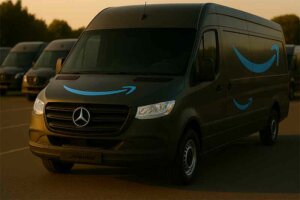
2018–2023: Last-Mile Logistics Levels Up. If one moment defined the van as the circulatory system of e‑commerce, it was when household-name retailers ordered them by the tens of thousands. In 2018, Amazon inked a deal for a fleet of Mercedes-Benz Sprinters to fuel its Delivery Service Partners program—entrepreneurs wrapped in blue smiles and barcode scanners. Then in 2019, it went bigger: 100,000 electric delivery vans from Rivian, a bet on the idea that parcels should arrive without diesel punctuation.
The significance wasn’t just the size of the orders; it was the software. Routing, dynamic dispatching, real-time navigation with hazard feedback, photo proof of delivery, driver-assist that calms the grind—vans became the hardware endpoints of a colossal algorithm. Each vehicle turned into a sensor and an actor: locate, arrive, verify, leave, repeat. Clipboards gave way to tablets; guesswork gave way to dashboards.
For drivers, the new vans changed the job. Wide walk-through cabs, shelves that don’t bite your shins, big windshields, 360 cameras, and AC that actually works. For neighbours, fewer fumes and less noise at indecent hours. For cities, new headaches—kerb space wars, bike-lane conflicts—and new tools: geofenced loading bays, digital permits, and enforcement by camera rather than ticket-on-windscreen theatre.
The Rivian EDV—clean-sheet EV with purpose-built cabin and cargo bay—set a new benchmark: one-pedal smoothness, heat pumps, integrated telematics, and doors designed for the ballet of 150 stops. It was proof that designing a van for the job, not stretching a car, pays dividends in both ergonomics and efficiency.
Of course, scale reveals weak points. Charging depots need megawatts and planning patience. Bad maps send good drivers into cul-de-sacs designed by sadists. Public discourse oscillates between “deliver my groceries in ten minutes” and “why is your van outside my house,” which is the sort of paradox only policy can unwind.
Still, the direction is clear. The last mile is a software problem wearing a van as a hat. Electrification reduces friction; data reduces waste; design reduces strain. And when the parcels are stacked and the route is set, the humble van once again does what it’s always done—shows up.
We’ll look back at this half-decade as the sprint in which the van quietly became the most sophisticated everyday machine on the road, not because of spoilers or cylinders, but because it solved a million tiny problems without making a speech.
do you have a van to sell? we buy vans