The Most Common Van Habits of Successful Tradespeople
There is a reason some tradespeople seem to glide through their working week while others spend half their time searching for a misplaced socket set or turning up late to jobs. The secret often lives inside their van. Whether you are just starting out or you have been in the game for decades, the habits that surround your vehicle can make or break your professional reputation. And if you have ever wondered why companies that we buy vans consistently report that the best-kept vehicles come from the most successful tradespeople, this article is about to join all the dots for you.
Your van is not just a mode of transport. It is your mobile office, your storage unit, your first impression, and in many ways, your brand. The most accomplished plumbers, electricians, builders, and heating engineers in the country treat their vans accordingly. Let us walk through the habits that separate the top performers from the rest.
Why Your Van Reflects Your Professional Standards
Ask any experienced tradesperson what their van means to them and you will rarely hear “just a vehicle.” According to a 2022 survey by the Federation of Master Builders, 74% of tradespeople said the appearance and organisation of their van directly influenced how clients perceived their professionalism before a single word was spoken.
That is an extraordinary statistic. It means your van is doing the talking before you even knock on the door.
The most innovative and reliable professionals in the trades understand this instinctively. They invest time, energy, and thought into how their van operates because they know it pays dividends in customer trust, repeat business, and referrals.
The Van as a Business Tool
Successful tradespeople do not see their van as a running cost. They see it as a premium business tool that needs to be maintained, organised, and respected. This mindset shift alone accounts for a huge amount of the difference between those who thrive and those who struggle.
When you treat your van like a business asset, everything changes:
- You maintain it more diligently
- You keep it cleaner and better organised
- You represent your brand every time you park up
- You protect your tools, which protect your livelihood
Habit 1: Keeping a Religiously Organised Van Interior
Walk into the back of a top tradesperson’s van and you will not find a pile of loose screws, tangled extension leads, and half-eaten sandwiches from Tuesday. You will find a system.
Organisation is perhaps the single most consistent habit shared by successful tradespeople across all disciplines. It saves time, reduces stress, prevents lost or damaged tools, and projects professionalism to every client who happens to glance in the back.
Racking Systems and Custom Storage
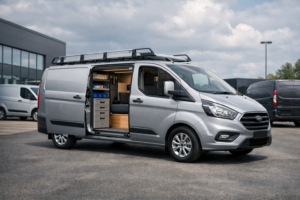
The investment in proper racking and storage solutions is one of the best decisions a tradesperson can make. Van racking systems from providers like Sortimo, Bott, and VanVault allow tradespeople to create a dedicated place for every single item they carry.
Benefits of a proper racking system include:
- Faster job setup because every tool has a home
- Reduced risk of tools shifting during transit and becoming damaged
- Easier stock checks and inventory management
- A more impressive and professional appearance
Daily Tidy Routines
The most successful tradespeople have a daily reset routine. At the end of every working day, everything goes back to its designated place. Rubbish is removed. Consumables are restocked. The floor is swept.
It sounds simple, but this five to ten minute discipline prevents the gradual slide into chaos that derails so many working vans over time.
Habit 2: Meticulous Van Maintenance Schedules
A van that breaks down is a van that loses you money. Successful tradespeople are obsessive about van maintenance, not because they enjoy it, but because they understand the cost of not doing it.
A breakdown mid-job does not just cost you the repair bill. It costs you:
- Time lost on the current job
- Potential cancellation of future bookings
- Damage to your reputation for reliability
- Emergency call-out fees for roadside recovery
Following Manufacturer Service Intervals
Top tradespeople never skip a service. They follow manufacturer-recommended intervals religiously and keep a complete service history. This is not only good for the van’s reliability, it protects the vehicle’s resale value significantly.
Industry data from the Society of Motor Manufacturers and Traders (SMMT) shows that well-maintained commercial vehicles can retain up to 30% more of their value compared to similar vehicles with patchy service histories. When the time comes to sell or upgrade, that history matters enormously.
Weekly Checks as a Non-Negotiable
Between services, the most reliable tradespeople carry out weekly checks on:
- Tyre pressure and tread depth
- Engine oil and coolant levels
- Brake fluid
- Lights and indicators
- Any warning lights on the dashboard
These checks take less than ten minutes and can prevent major mechanical failures down the line.
Addressing Issues Immediately
Successful tradespeople do not “keep an eye on” a knocking noise or a warning light. They deal with it immediately. Putting off a small repair almost always leads to a larger, more expensive one.
Habit 3: Smart Fuel and Route Management
Time is money in the trades. Every minute spent sitting in traffic or making unnecessary journeys is a minute not spent earning. The most innovative tradespeople use technology and planning to manage their routes and fuel usage with real intelligence.
Route Planning the Night Before
Rather than winging it each morning, top professionals plan their routes the evening before. They know:
- What jobs they have the following day and in what order
- Which routes are most efficient at the times they need to travel
- Where they can park without issue at each site
- How long each journey realistically takes
Tools like Google Maps, Waze, and even dedicated fleet management apps help with this planning enormously.
Fuel Cards and Monitoring
Many successful tradespeople use fuel cards, which provide:
- Discounted fuel rates at participating stations
- Detailed records of fuel spend for tax purposes
- Easier expense management
- Insights into fuel efficiency over time
Tracking fuel consumption also flags when something is wrong. A sudden increase in fuel usage can indicate a mechanical issue, tyre pressure problems, or unnecessary idling habits.
Reducing Unnecessary Trips
Carrying the right materials for every job eliminates the dreaded “trip to the merchant” that eats into productive time. Successful tradespeople maintain a well-stocked van with the consumables and parts they use most frequently, so they rarely need to stop mid-job for supplies.
Habit 4: Professional Van Presentation at All Times
Pull up to a client’s house in a dirty, dented, faded van with peeling signage and you have already started the job on the back foot. Pull up in a clean, well-maintained, smartly branded vehicle and you have already begun building trust before you ring the doorbell.
Regular Cleaning Inside and Out
The most successful tradespeople clean their vans regularly, often weekly on the outside and daily on the inside. This is not vanity. It is professionalism.
A clean van signals:
- Attention to detail
- Respect for your client’s property
- Pride in your work and your business
- A higher standard of service overall
Research from consumer psychology consistently shows that first impressions are formed within the first seven seconds of an interaction. Your van is often part of that impression.
High-Quality, Consistent Branding
Premium van branding is one of the most cost-effective forms of advertising available to a tradesperson. A well-branded van is seen by hundreds of people every single day. It builds brand recognition in local areas over time.
The best tradespeople invest in:
- Professional, clear, and readable signwriting or vinyl wraps
- Consistent use of brand colours and fonts
- A clear and memorable contact number and website
- Any accreditations or memberships that build trust (Gas Safe, NICEIC, etc.)
Protecting the Van’s Appearance
Successful tradespeople also protect their van’s appearance as an investment. This means:
- Parking carefully to avoid unnecessary scrapes
- Using rubber mats and protective liners in the load area
- Touching up minor paint chips before they rust
- Avoiding overloading, which stresses the chassis and suspension
Habit 5: Smart Tool Management and Security
Tools are a tradesperson’s most valuable assets after their skills and reputation. The most successful professionals in any trade have precise, disciplined habits around their tools.
Complete Inventory Management
Top tradespeople know exactly what tools they have, where they are, and what condition they are in. Many use:
- Physical checklists at the start and end of each day
- Photography records for insurance purposes
- Tool tracking technology (Bluetooth tags like Tile or Apple AirTags)
- Regular audits to check for wear or damage
This level of attention prevents the “where did I put that?” delays that cost time on every job and the far more painful discovery that an expensive piece of kit has been lost or stolen.
Van Security as a Priority
Tool theft from vans is a serious and growing problem in the UK. According to figures from Direct Line, tool theft from vans costs the UK trades industry over 94 million pounds per year. Successful tradespeople take this extremely seriously.
Common security measures include:
- Deadlocks and slamlocks fitted by specialist locksmiths
- Internal locking systems for racking units
- Alarm and tracking systems
- Van safe installations for the most valuable items
- Parking the van in well-lit, overlooked areas wherever possible
- Never leaving tools in the van overnight if avoidable
Regular Tool Maintenance
Just as they maintain their van, successful tradespeople maintain their tools. Clean, sharp, calibrated tools work better and last longer. They also reduce the risk of accidents on site.
Habit 6: Using the Van as a Mobile Office
The most innovative tradespeople have transformed their vans into functional mobile offices. This goes far beyond having a clipboard on the passenger seat.
Technology Integration
Modern tradespeople use technology to run their businesses from their vans with remarkable efficiency:
- Tablets or phones for accessing job management apps like Jobber, Tradify, or ServiceM8
- Mobile printers for producing invoices and paperwork on-site
- Dash cameras for insurance protection and evidence in the event of an incident
- Bluetooth connectivity for hands-free calls and navigation
- Power inverters or split-charge systems for keeping devices charged throughout the day
Paperwork and Documentation on the Go
Successful tradespeople do not let admin pile up. They complete job sheets, update CRM records, and send invoices as soon as a job is finished. This keeps cash flow healthy and prevents the dreaded end-of-month admin mountain.
Having a dedicated space in the van for paperwork, whether physical or digital, is a habit that pays off enormously in business efficiency.
Habit 7: Knowing When to Upgrade
One of the most overlooked habits of successful tradespeople is knowing when it is time to let a van go. Holding onto a vehicle past its productive life costs money in repairs, fuel inefficiency, and lost reliability.
Recognising the Signs It Is Time to Sell
The most astute professionals watch for these signals:
- Repair bills are becoming frequent and expensive
- The van’s fuel economy has deteriorated noticeably
- Reliability is becoming a concern
- The load capacity no longer meets the business’s needs
- The vehicle’s appearance is affecting brand presentation
- A newer model offers safety or efficiency features worth having
Maximising Value When Selling
When the time comes to sell, prepared tradespeople get more for their vans because they have maintained them properly throughout. A full service history, good bodywork, a clean interior, and working electrics all command premium prices.
Many tradespeople choose specialist commercial vehicle buyers when it comes time to sell, companies in the we buy vans sector that understand the value of a well-maintained trade vehicle and can offer fast, fair transactions without the hassle of private sales.
Planning the Next Vehicle Purchase Strategically
Upgrading a van is a major business decision. Successful tradespeople approach it with research and planning:
- Assess current and future load requirements
- Consider payload, wheelbase, and body configuration carefully
- Research running costs and reliability ratings
- Factor in fuel type, particularly with electric and hybrid vans becoming increasingly viable
- Consider the total cost of ownership, not just the purchase price
Habit 8: Building a Van Culture Within the Business
For tradespeople who run teams, the habits around the van extend to how they manage their fleet and instil standards across their workforce.
Setting Clear Vehicle Standards
Successful business owners set clear and non-negotiable standards for how company vans are treated:
- Regular cleaning expectations
- Reporting procedures for damage or mechanical issues
- Rules around personal use
- Security protocols for tools and equipment
Leading by Example
The most respected trade business owners lead by example. Their own van is the cleanest, best organised, and best maintained in the fleet. When the boss’s standards are visible and consistent, they become the culture of the whole business.
Driver Training and Accountability
Investing in driver training for van-based employees reduces accident rates, protects the company’s reputation on public roads, and can significantly reduce insurance premiums. Many insurance providers offer meaningful discounts for businesses that can demonstrate a commitment to driver training and fleet management.
The Financial Case for Great Van Habits
Let us bring all of this together with some numbers, because the financial argument for these habits is genuinely compelling.
Consider this: a tradesperson who:
- Keeps their van maintained avoids an estimated 1,200 to 2,000 pounds per year in unnecessary repair costs
- Maintains a full service history can achieve 25 to 30% better resale value when selling
- Runs an organised van loses significantly less time per day to searching for tools and materials
- Keeps their van clean and well-branded generates passive advertising impressions worth hundreds of pounds in equivalent advertising spend
Across a five-year van ownership period, the financial difference between good and poor van habits can easily run to tens of thousands of pounds. That is a compelling return on what is essentially time, discipline, and attention to detail.
Expert Insight: What the Professionals Say
Mark Tanner, a master electrician with over 20 years of experience and a team of eight engineers, puts it bluntly: “Your van is your shop window. I have won contracts because a potential client saw my van parked on their street and it looked the part. I have also lost work because I turned up to a quote in a van that had seen better days. I learned that lesson early.”
Sarah Brewington, a plumbing and heating engineer who built her business from sole trader to a team of twelve, echoes this: “Every habit I have around my van is about time and reputation. Time because I cannot afford to be searching for things or breaking down. Reputation because in this industry, word of mouth is everything and people notice the details.”
These are not isolated views. They represent a consistent philosophy found across the most reliable and innovative tradespeople operating in the UK today.
FAQ: Van Habits and Trade Vehicle Management
How often should a tradesperson clean their van?
Ideally, the interior of a trade van should be tidied and swept daily at the end of each working day. The exterior should be washed at least once per week to maintain a professional appearance and prevent road salt and grime from damaging the paintwork over time.
What is the best way to organise a trade van?
Investing in a quality racking system designed for your specific van model and trade is the most effective approach. Systems from companies like Sortimo, Bott, or Van Vault create dedicated homes for every item, which saves time and prevents damage. The key principle is that everything must have a fixed place and be returned to it every day.
How can I protect my tools from theft in my van?
Fitting deadlocks and slamlocks from a specialist commercial vehicle locksmith is the most important step. Additional measures include alarm and tracker systems, internal locking for racking units, a van safe for high-value items, and avoiding leaving tools in the van overnight where possible. Ensure tools are properly insured and photographed for records.
When should I consider selling my van and upgrading?
Consider upgrading when repair costs are becoming frequent, reliability is in question, fuel economy has deteriorated, or the van no longer meets the operational needs of your business. Specialist commercial vehicle buyers in the we buy vans sector can make the process fast and straightforward, often valuing and collecting within 24 to 48 hours.
How does van presentation affect my business reputation?
Consumer research consistently shows that first impressions form within seconds. Your van is often the first tangible representation of your business a client encounters. A clean, well-branded, professional-looking van builds immediate trust and confidence. A poorly maintained vehicle raises questions about the standard of work a client can expect.
Are electric vans a good option for tradespeople?
Electric vans are an increasingly viable option, particularly for tradespeople operating primarily within urban areas with access to reliable charging infrastructure. Models like the Ford E-Transit, Vauxhall Vivaro-e, and Mercedes-Benz eSprinter offer genuine payload capacity and range for typical trade work. Running costs are significantly lower, though the higher upfront cost and charging logistics require careful consideration.
What technology should I have in my trade van?
A dash camera is arguably the most important technology investment for any tradesperson, providing evidence in the event of accidents or disputes. Beyond that, a good smartphone mount, hands-free calling capability, a reliable job management app on a tablet or phone, and a mobile data plan for connectivity are the foundations of an efficient mobile office setup.
Ready to Make Your Van Work Harder for You?
Whether you are a sole trader with one van or a growing business managing a fleet, the habits covered in this article are available to you right now. None of them require a large investment. Most require only discipline and a decision to raise your standards.
Start with the easiest win: spend ten minutes at the end of today tidying your van. Return everything to its place. Remove the rubbish. Check the tyre pressures. And notice how differently you feel about your working day tomorrow morning.
Your van is one of the most powerful tools in your business. Treat it that way, and it will reward you with reliability, a stronger reputation, and a better return when the time comes to move on.
If you are at the stage of thinking about upgrading your current vehicle, speaking to specialists who understand the true value of a well-maintained trade van is always a worthwhile first step.