Britain’s custom van scene has always lived slightly outside the mainstream. It’s not as loud as car‑mod culture, not as commercial as camper‑van tourism, and not as widely recognised as classic car restoration. Instead, it exists in a unique space—an underground culture built on creativity, community, and a shared love for transforming ordinary vans into something personal. It’s a world where builders experiment freely, trends evolve organically, and individuality matters more than perfection.
The roots of Britain’s van‑mod culture go back decades. Early builders were tradespeople who spent more time in their vans than at home. They personalised interiors, added comfort, and experimented with styling long before social media existed. These early mods were practical, but they planted the seed for something bigger. As vans became lifestyle vehicles, the culture grew. People realised a van wasn’t just a tool—it was a blank canvas.
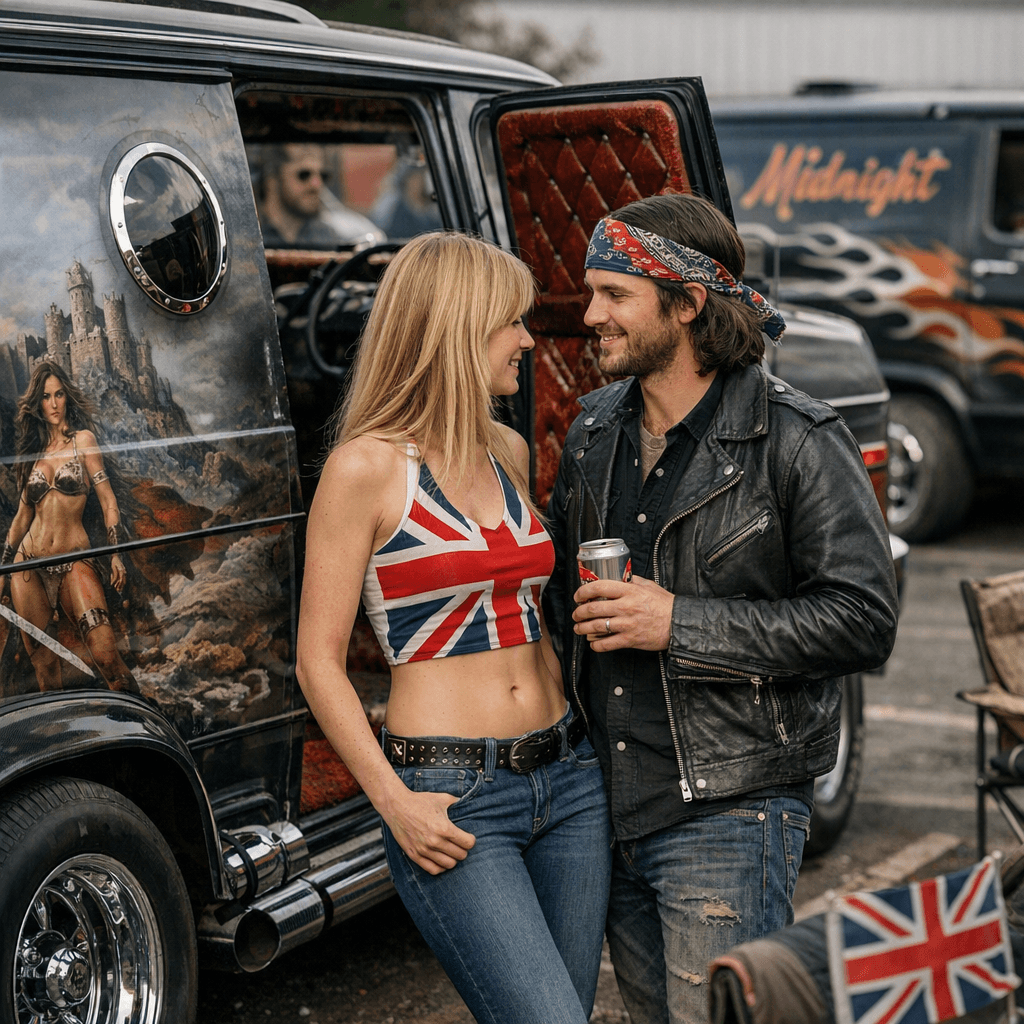
Today, the custom van scene is incredibly diverse. Some builders focus on stance, dropping their vans low on air‑ride or coils. Others chase performance, tuning small diesel engines into responsive, punchy powerplants. Many focus on interiors, creating spaces that feel like lounges, studios, or themed environments. And then there are the show vans—full artistic builds designed to impress at meets and exhibitions. The variety is what makes the culture special. No two vans look the same.
One defining feature of the scene is its independence. Unlike mainstream automotive culture, van modding isn’t driven by big brands or commercial sponsorships. It’s driven by individuals. Builders work in garages, sheds, and small workshops. They learn from each other, share techniques, and experiment without worrying about trends or rules. The underground nature of the culture gives it freedom. There’s no “right way” to build a van—only your way.
Meets and gatherings are the heartbeat of the scene. They’re not corporate events—they’re community hangouts. Builders park up, open their doors, and show what they’ve created. People walk around, chat, swap ideas, and admire each other’s work. There’s no competition, no judging, no pressure. It’s about appreciation. A £500 DIY build gets the same respect as a £50,000 showpiece. The culture values effort, creativity, and passion above everything else.
Social media has amplified the scene, but it hasn’t changed its core. Builders use Instagram, TikTok, and YouTube to share progress, showcase mods, and connect with others. But the underground spirit remains. The best builds still come from people who work quietly, experiment constantly, and reveal their vans only when they’re ready. The culture thrives on authenticity, not algorithms.
One of the most interesting aspects of Britain’s van‑mod culture is how it blends influences. You see hints of Japanese stance culture, American low‑rider traditions, European tuning, and British craftsmanship all mixed together. Builders borrow ideas from everywhere, then adapt them to vans in ways that feel fresh and original. The result is a style that’s uniquely British—creative, bold, and slightly rebellious.
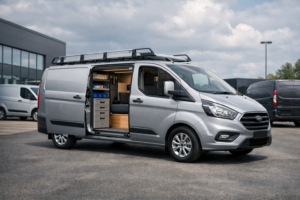
The underground nature of the scene also encourages innovation. Builders create solutions that big manufacturers never consider. Hidden storage, modular interiors, custom electronics, bespoke fabrication, and clever engineering all come from people who refuse to accept limitations. Some of the best ideas in modern van design started in the custom scene before being adopted by mainstream companies.
What truly defines Britain’s custom van culture is the mindset. It’s not about status, competition, or showing off. It’s about expression. It’s about taking something ordinary and making it extraordinary. It’s about building a van that reflects who you are, what you enjoy, and how you see the world. The culture celebrates individuality in a way few automotive communities do.