Top 10 Vans of 2026 – Peugeot e‑Expert (No.10)
Choosing the right commercial vehicle can make or break your business efficiency. Whether you’re upgrading your fleet or looking to switch to electric, understanding which vans deliver genuine value matters enormously. If you’re considering your options or thinking “I want to we buy vans services to handle my old motor,” you’ll want to know which models are worth the investment in 2026.
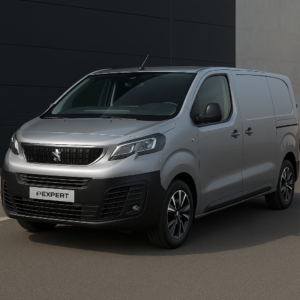
Landing at number 10 in our ranking, the Peugeot e-Expert represents a solid entry point into electric commercial vehicles. It’s not flashy, but it’s proven itself as a reliable workhorse for businesses making the leap to zero-emission transport.
Why the Peugeot e-Expert Claims the No.10 Spot
The e-Expert doesn’t revolutionise the van world, but it doesn’t need to. Peugeot has taken a sensible, practical approach that prioritises real-world usability over showroom sparkle. This French manufacturer has built something genuinely dependable for businesses tired of empty promises.
Since its electric debut in 2020, the e-Expert has quietly accumulated thousands of miles across European fleets. The 2026 model refines an already mature platform rather than reinventing it. That’s actually a strength – you’re buying proven technology, not a beta test on wheels.
Premium Electric Performance That Actually Works
Battery Options and Real-World Range
The e-Expert offers two battery configurations that cater to different operational needs. The 50kWh battery delivers approximately 143 miles on a full charge, whilst the 75kWh option extends this to around 205 miles under WLTP testing conditions.
Here’s what matters: actual delivery drivers report achieving 160-180 miles with the larger battery in mixed urban and suburban routes. That’s impressively close to official figures, which is refreshingly honest performance.
The van supports rapid charging at up to 100kW, meaning you’ll recover 80% charge in roughly 45 minutes. For businesses with depot facilities, overnight charging from a 7kW wallbox replenishes the battery completely in around 7-11 hours depending on your battery size.
Power Delivery and Load Capacity
The electric motor produces 136PS (100kW) and 260Nm of torque, providing smooth acceleration even when loaded. Unlike diesel equivalents that need revving, the e-Expert delivers instant torque from standstill – brilliant for stop-start urban deliveries.
Payload capacity reaches up to 1,226kg depending on your chosen specification, which genuinely competes with conventional diesel vans. Peugeot hasn’t compromised cargo capability for electrification, something earlier electric vans struggled with.
Innovative Interior Design for Professional Use
Driver Comfort and Ergonomics
Step inside and you’ll notice Peugeot’s i-Cockpit design language – the same approach used across their passenger car range. The compact steering wheel sits below a raised digital instrument cluster, creating an almost fighter-jet viewing angle.
Some drivers love this setup; others find it takes adjustment. What’s undeniable is the quality. The materials feel premium, switches operate with satisfying precision, and everything falls naturally to hand.
The 2026 model includes as standard:
- 7-inch touchscreen with smartphone connectivity
- Digital instrument cluster with customisable displays
- Multi-adjustable driver’s seat with lumbar support
- Steering wheel-mounted controls for key functions
- USB charging points throughout the cabin
- Automatic climate control
Cargo Bay Practicality
The load area measures up to 6.6 cubic metres in the long wheelbase variant, with three length options available. Peugeot has engineered a flat load floor with minimal intrusion from the battery pack beneath.
Interior lighting uses efficient LEDs, and the full steel bulkhead comes as standard on most specifications. Load securing points are sensibly positioned, and the wide side sliding door opens to 1,030mm for easy pallet access.
Running Costs That Make Business Sense
Electric commercial vehicles demand scrutiny beyond the purchase price. The e-Expert’s total cost of ownership tells the complete story.
Electricity costs roughly 5-7p per mile compared to 12-15p for diesel equivalents, based on current UK energy prices and overnight charging rates. That’s a substantial operational saving for high-mileage fleets.
Maintenance requirements drop dramatically without oil changes, diesel particulate filters, or dual-mass flywheels to service. Peugeot offers a competitive 8-year/100,000-mile battery warranty, providing genuine peace of mind for business planning.
Company car tax benefits remain compelling through 2026, with zero benefit-in-kind rates for electric vehicles. Combined with London’s Ultra Low Emission Zone exemption and potential grant schemes, the financial case strengthens considerably.
According to fleet management data from Arval UK, electric vans like the e-Expert typically cost 15-20% less to operate annually than diesel equivalents once depreciation, fuel, and maintenance are factored together.
Safety Features and Driver Assistance
The 2026 e-Expert comes impressively equipped with active safety technology that was once reserved for executive cars:
- Active Lane Keeping Assist
- Adaptive Cruise Control with Stop & Go
- Automatic Emergency Braking with pedestrian detection
- Driver Attention Alert
- Blind Spot Monitoring
- Rear parking sensors and reversing camera
These systems aren’t just box-ticking exercises. They genuinely reduce accident rates and insurance premiums whilst protecting your most valuable asset – your employees.
Where the e-Expert Falls Short
Honesty matters. The Peugeot doesn’t top our list for specific reasons.
The infotainment system, whilst functional, lags behind newer competitors in responsiveness. Screen transitions occasionally hesitate, and the menu structure requires familiarisation.
Fast charging, whilst adequate, doesn’t match the latest 150kW+ capabilities of premium rivals. If your operation demands multiple rapid charges daily, you’ll feel this limitation.
Interior storage feels adequate rather than generous. Smaller cubbyholes and cup holders mean less convenient spaces for paperwork, tools, or driver essentials compared to some competitors.
The ride quality, particularly when unladen, can feel firm over poor road surfaces. Loaded, it settles down considerably, but empty running reveals suspension tuned primarily for cargo carrying.
Who Should Choose the Peugeot e-Expert?
This van suits businesses taking their first steps into electric operations. It’s dependable, well-supported through Peugeot’s extensive dealer network, and proven across thousands of commercial applications.
Delivery services, tradespeople, and local authority fleets find particular value here. The range handles typical daily routes comfortably, and the payload capacity accommodates genuine commercial loads rather than token gestures toward electric transport.
If your business operates primarily within 150-mile daily routes with overnight charging access, the e-Expert removes range anxiety whilst delivering meaningful cost savings. That’s the sweet spot where it genuinely excels.
Frequently Asked Questions
How long does the Peugeot e-Expert battery last?
Peugeot warrants the battery for 8 years or 100,000 miles, guaranteeing at least 70% capacity retention. Real-world fleet data suggests batteries typically maintain 80-85% capacity after five years of commercial use, which translates to 160-170 miles of usable range from the 75kWh battery.
Can I tow with the electric e-Expert?
The e-Expert offers a braked towing capacity of 1,000kg when properly specified and equipped. This is lower than diesel equivalents due to electric powertrain characteristics and payload considerations, but adequate for light trailer work.
What warranty coverage does Peugeot provide?
Standard coverage includes a 3-year/100,000-mile vehicle warranty, 8-year/100,000-mile battery warranty, and 3-year paintwork warranty. Extended warranty options are available for business customers requiring longer protection periods.
How does winter weather affect the e-Expert’s range?
Cold weather typically reduces electric vehicle range by 20-30%. The e-Expert includes battery thermal management and pre-conditioning options that minimise this impact. Expect around 140-160 miles in winter conditions from the 75kWh battery with sensible driving.
Is the e-Expert eligible for government grants?
Eligibility depends on current UK government schemes. The Plug-in Van Grant historically provided up to £2,500 toward electric commercial vehicles under 3.5 tonnes. Check the official government website for current availability as programmes update periodically.
What service intervals does the electric e-Expert require?
Peugeot recommends servicing every 12 months or 16,000 miles. Services are typically simpler and less expensive than diesel vans, focusing on brake fluid, cabin filters, brake inspection, and software updates rather than engine oil and filters.
Ready to Upgrade Your Fleet?
The Peugeot e-Expert might sit at number 10, but that doesn’t diminish its value for the right business. It’s a reliable, well-engineered electric van that does exactly what it promises without unnecessary complications.
If you’re ready to make the switch to electric, or if your current fleet needs refreshing, understanding your options matters. The e-Expert represents a sensible choice for businesses wanting proven technology backed by an established manufacturer.
Looking to move on from your existing vehicle? Professional we buy vans services can provide fair valuations and hassle-free transitions, letting you focus on choosing the right replacement for your business needs. The electric revolution isn’t coming – it’s already here, and vans like the e-Expert are making it genuinely accessible.