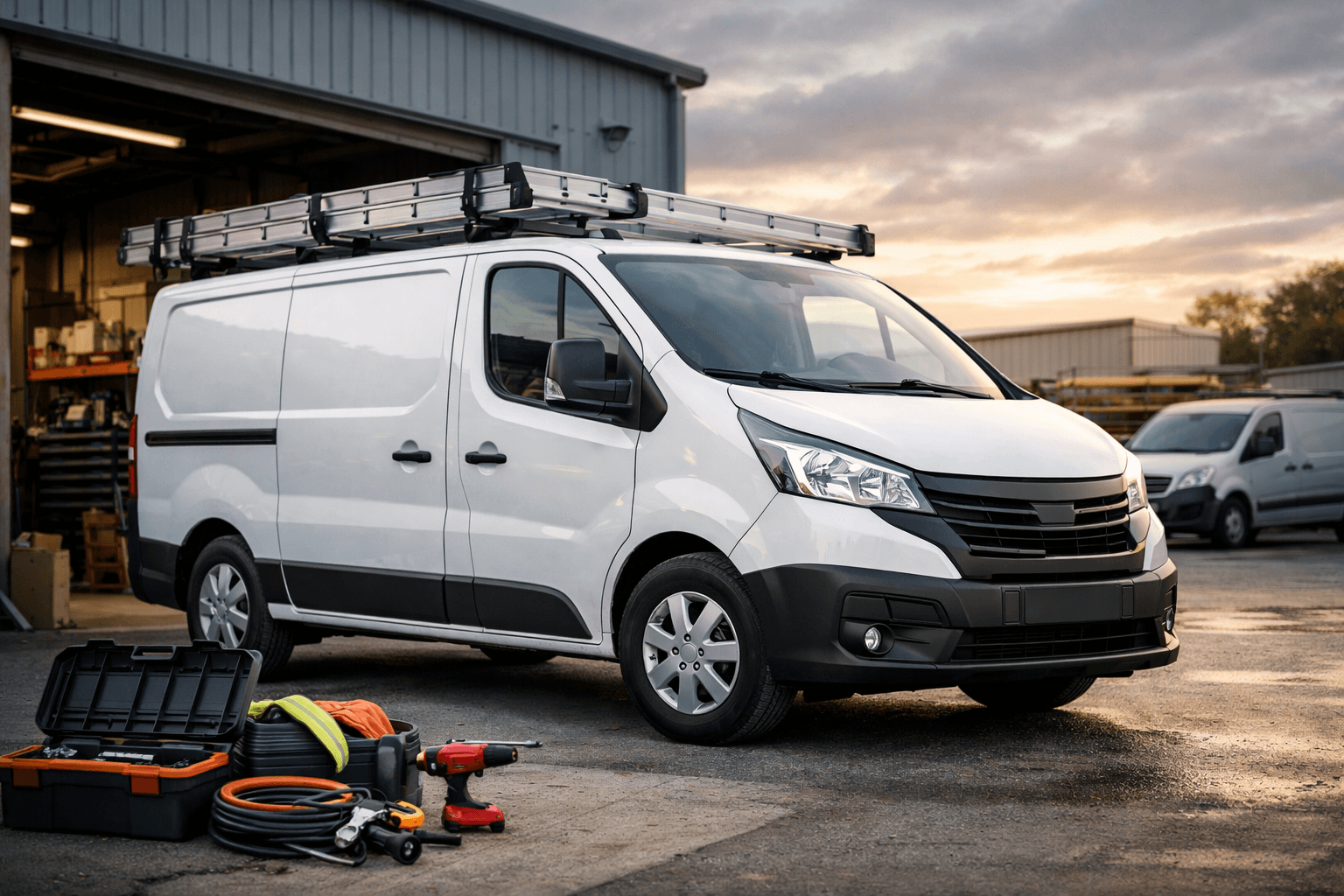
Your van isn’t just a vehicle. It’s your workshop, your storefront, your first impression, and your livelihood — all rolled into one rust-prone, diesel-drinking, absolutely indispensable machine. Understanding work van importance isn’t a nice-to-have conversation. It’s the difference between a business that runs like a Swiss watch and one that’s perpetually on the back foot.
Key takeaways
- Your work van is a mobile business asset, not just a way to get from A to B
- How it looks, runs, and is organised directly affects your revenue and reputation
- Neglecting maintenance doesn’t save money — it destroys it
- The right van setup can meaningfully reduce job times and increase what you can take on
- Treating your van as a premium, reliable tool changes how clients perceive you before you’ve said a word
Your Van Is a Rolling First Impression
Before you knock on a single door, your van has already done the talking. Clients see it parked outside. Neighbours clock it. That moment — before the handshake, before the quote, before you’ve demonstrated a single shred of expertise — your van is making a judgment call on your behalf.
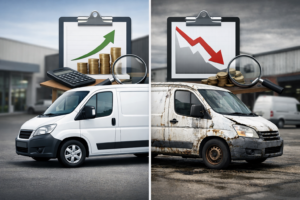
A clean, well-maintained, properly branded van says: this person is organised, professional, and takes their work seriously. A dented, faded, mud-caked disaster says something rather different. It says you might treat their kitchen the same way you treat your bumper.
Think about it from the client’s perspective. You’re letting a stranger into your home. You want signals of reliability. The van is signal number one.
Pro tip
A simple vinyl wrap or even clean magnetic signage can transform an anonymous white van into a rolling advertisement. It’s one of the most cost-effective marketing decisions a tradesperson can make.
It’s Not a Vehicle. It’s Your Workshop.
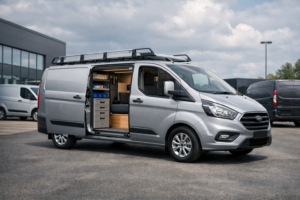
Here’s what separates a good tradesperson from a great one: the great one never spends 20 minutes rummaging around in the back for a fitting they definitely brought with them. Their van is organised. Intentionally. Deliberately.
A well-racked, well-stocked van means:
- Faster job completion — you’re not driving back to the merchant twice a day
- Fewer errors — when tools are in their place, you notice immediately when something’s missing
- Less physical strain — a properly designed van layout means you’re not bent double over a pile of cables every morning
- More jobs per week — time saved on every job compounds across a working week into real, bankable hours
The van isn’t where you store your tools. It is your tool. The distinction matters.
How Van Organisation Directly Affects Your Income
A tradesperson who saves 30 minutes per day through better van organisation saves roughly 130 hours per year. At even a modest hourly rate, that’s a significant sum sitting in your van racking system rather than your bank account. That’s not a motivational poster statistic — that’s basic maths applied to your working day.
Racking systems, drawer units, and fixed shelving aren’t luxuries. They’re infrastructure. Innovative businesses treat them that way.
Reliability Isn’t Optional — It’s Your Reputation
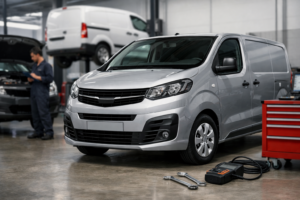
Miss a job because your van won’t start, and you don’t just lose that day’s revenue. You lose that client’s trust, potentially their referral, and possibly a review that follows you around the internet for years.
The work van importance conversation always comes back to this: your van’s reliability is your reliability. Clients don’t separate the two.
Warning
Skipping scheduled servicing to save a few hundred pounds is one of the most expensive decisions a sole trader can make. A van off the road for a week costs far more than any service bill.
A reliable maintenance schedule should include:
- Regular oil and filter changes at manufacturer-recommended intervals
- Tyre checks — pressure, tread depth, and condition — at least monthly
- Brake inspections, especially if you’re carrying heavy loads regularly
- Battery health checks before winter, not during it
- Bodywork attention — rust starts small and spreads enthusiastically
What Does Van Downtime Actually Cost?
Van downtime costs vary depending on your trade and day rate, but the principle is consistent: a single unexpected breakdown that takes your van off the road for three days can wipe out a fortnight’s worth of servicing savings. Factor in emergency call-out fees, hire vehicle costs, and rescheduled clients, and the numbers become uncomfortable very quickly.
Preventive maintenance isn’t a cost. It’s insurance with a better payout.
The Van as a Business Asset — Not a Liability
Many tradespeople think of their van purely as an expense. Fuel, insurance, tax, repairs — a drain on the account. The shift happens when you start treating it as an asset that generates revenue.
A premium, well-equipped van allows you to:
- Take on more work — because you have the tools and materials with you to handle a wider range of jobs
- Charge appropriately — a professional setup commands professional rates; clients expect to pay more when everything about your operation signals quality
- Work more efficiently — reducing wasted time is the same as increasing your hourly output
- Attract better clients — people who value quality recognise it immediately
Note
If you’re VAT registered, your van and its associated costs — including fit-out, maintenance, and fuel — are typically VAT-reclaimable business expenses. Speak to your accountant about maximising this.
Security: Protecting the Asset That Protects Your Business
Van theft and tool theft from vans is a serious, persistent problem across the trades. The Federation of Master Builders and various trade associations have highlighted tool theft as one of the biggest disruptors to small trade businesses — some estimates suggest it costs the UK trades industry tens of millions of pounds annually.
Losing your tools doesn’t just cost you replacement value. It costs you the days you can’t work while you source and wait for new equipment.
Practical security measures worth taking seriously:
- Deadlocks and slam locks — factory locks on most vans are not sufficient
- Ghost immobilisers — harder to defeat than steering locks, invisible to a thief scoping your vehicle
- Tracking devices — both a deterrent and a recovery tool
- Overnight storage — if possible, park off-street or in a locked compound
- Tool marking — UV marking and registering tools on databases like Immobilise makes resale harder and recovery more likely
Pro tip
Photograph your tools and keep a record of serial numbers. It takes an afternoon and makes insurance claims dramatically simpler.
Frequently Asked Questions
How often should I service my work van?
Most modern work vans should be serviced every 12 months or every 20,000–25,000 miles, whichever comes first — but check your manufacturer’s handbook, because this varies by make and model. If you’re covering high mileage or carrying heavy loads regularly, err on the side of more frequent checks. Don’t treat the service interval as a maximum; treat it as a starting point.
Is van signage worth the investment?
Yes, consistently. A branded van is a moving advertisement that reaches your local area every single day — the audience changes every time you drive a different route. Vinyl wraps and quality signage typically pay for themselves many times over in enquiries generated, particularly for tradespeople who work within a defined local radius.
What’s the best way to organise a work van?
Start by auditing what you actually use every day versus what you carry “just in case.” Build your racking and storage around daily-use items being at the front and most accessible. Modular racking systems allow you to reconfigure as your work changes. The goal is that every tool and part has a fixed home, so you know immediately when something is missing or low.
How does van condition affect my insurance premiums?
A well-maintained van with documented service history is generally viewed more favourably by insurers. Security upgrades — deadlocks, trackers, immobilisers — can actively reduce your premium. Conversely, a van with a history of claims, visible damage, or poor maintenance records may attract higher costs. It’s worth having a direct conversation with your broker about what modifications and habits they reward.
Should I buy or lease my work van?
This depends on your cash flow, how many miles you cover, and your tax position — so there’s no single right answer. Leasing offers predictable monthly costs and typically includes manufacturer warranty coverage for the duration, which removes the risk of large unexpected repair bills. Buying outright means you own the asset and have no mileage restrictions. Both have genuine merit; the decision belongs with your accountant, not a forum post.
How do I protect my tools from theft overnight?
The most effective combination is physical security (deadlocks, slam locks), an immobiliser or tracker, and not leaving high-value tools in the van overnight if you have any alternative. A lockable job box in a garage or shed is worth the inconvenience. Where overnight van storage is unavoidable, parking under a light, in view of a camera, or in a secure compound significantly reduces risk.
Your van works as hard as you do — sometimes harder. Treat it as the premium, reliable, innovative business tool it genuinely is, and it will return the favour in efficiency, reputation, and revenue.
If you’re ready to get more from your van — whether that’s better organisation, improved security, or a fit-out that actually works for your trade — explore our range of van racking and accessories designed for people who take their work seriously.