You’ve put serious miles on your van — and now you’re wondering whether anyone will actually buy it. The short answer is yes. You can absolutely sell a high mileage van in the UK, and there is a genuine, active market for vans with 150,000 miles or more on the clock. What changes at higher mileage is not whether you can sell, but how buyers assess value and what you can realistically expect to receive.
Key takeaways
- High-mileage vans — even those above 150,000 miles — sell regularly in the UK through specialist buyers, trade buyers, and private channels
- Service history and overall condition matter far more than the odometer reading alone
- Buyers use a structured pricing model based on mileage, age, condition, and market demand — understanding it removes the guesswork
- Presenting your van well and being transparent about its history will always improve your offer
- Specialist van-buying services offer speed and certainty when private sale feels too uncertain
Why mileage anxiety is understandable — but often overblown
Many van owners assume that once the odometer ticks past 100,000 miles, the van becomes unsellable. That fear is understandable — it’s a big number — but it doesn’t reflect how the used van market actually works in the UK.
Commercial vans are engineered for hard work. A Ford Transit, Volkswagen Transporter, or Mercedes Sprinter built in the last decade is designed with longevity in mind. Diesel engines in particular are built to cover enormous distances when properly maintained. A well-serviced van at 160,000 miles can be in significantly better mechanical shape than a neglected one at 80,000.
The used van market in the UK is driven by tradespeople, small businesses, and sole traders who need reliable working vehicles at accessible prices. For many of these buyers, a high mileage van value that fits their budget is far more important than a low mileage figure they cannot afford.
Note
Mileage is one data point. Buyers weigh it alongside service history, bodywork condition, tyre wear, MOT history, and the specific make and model. None of those factors works in isolation.
How buyers actually price a van with lots of miles
Understanding the pricing logic takes the mystery — and the dread — out of the process.
Specialist buyers and trade buyers use a combination of factors to arrive at a figure for a van with lots of miles:
- Age and mileage together — A 2015 van with 180,000 miles reads differently to a 2019 van with the same figure. The newer vehicle suggests higher annual mileage, which raises questions about wear patterns.
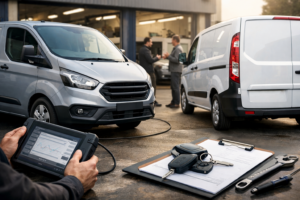
- Service history — A full stamped service book, or verifiable digital records, can meaningfully increase an offer. It tells a buyer the engine, gearbox, and ancillaries have been looked after.
- MOT history — The DVLA’s free MOT history check lets any buyer see past advisories and failures. A clean record with few advisories is reassuring; a pattern of the same recurring advisory is a flag.
- Bodywork and interior — Dents, rust, and a wrecked interior all reduce value. Buyers factor in the cost of repair or the discount they’ll need to pass on to their own customer.
- Make and model demand — Some vans hold value better at high mileage because parts are plentiful and mechanics know them well. The Ford Transit and Vauxhall Vivaro, for example, have strong aftermarkets.
- Tyres and brakes — Worn consumables are a known cost. Buyers will price them in, so replacing tyres before sale can sometimes recover more than the tyre cost itself.
There is no single formula, but the logic is transparent once you see it. Buyers are essentially calculating: what will this van cost me to bring to a sellable condition, and what can I sell it for?
What condition really means at 150,000+ miles
Condition is not just about appearance — though appearance matters more than most sellers expect.
A van that has been regularly serviced, has no significant rust on the sills or arches, runs cleanly, and has a working heater and electrics will attract genuine interest even at very high mileage. Buyers know they are not getting a pristine vehicle; they are looking for a working one.
Rust is the single biggest concern for UK buyers, particularly on older vans that pre-date modern rustproofing standards. Surface rust on bodywork is cosmetic. Structural rust on the chassis, sills, or load floor is a different matter — it affects both safety and MOT compliance, and buyers will price accordingly or walk away.
Pro tip
Before getting any quotes, spend an hour cleaning the van inside and out. A clean van photographs better, inspects better, and signals to a buyer that it has been cared for. It costs nothing but time and can make a real difference to the offer you receive.
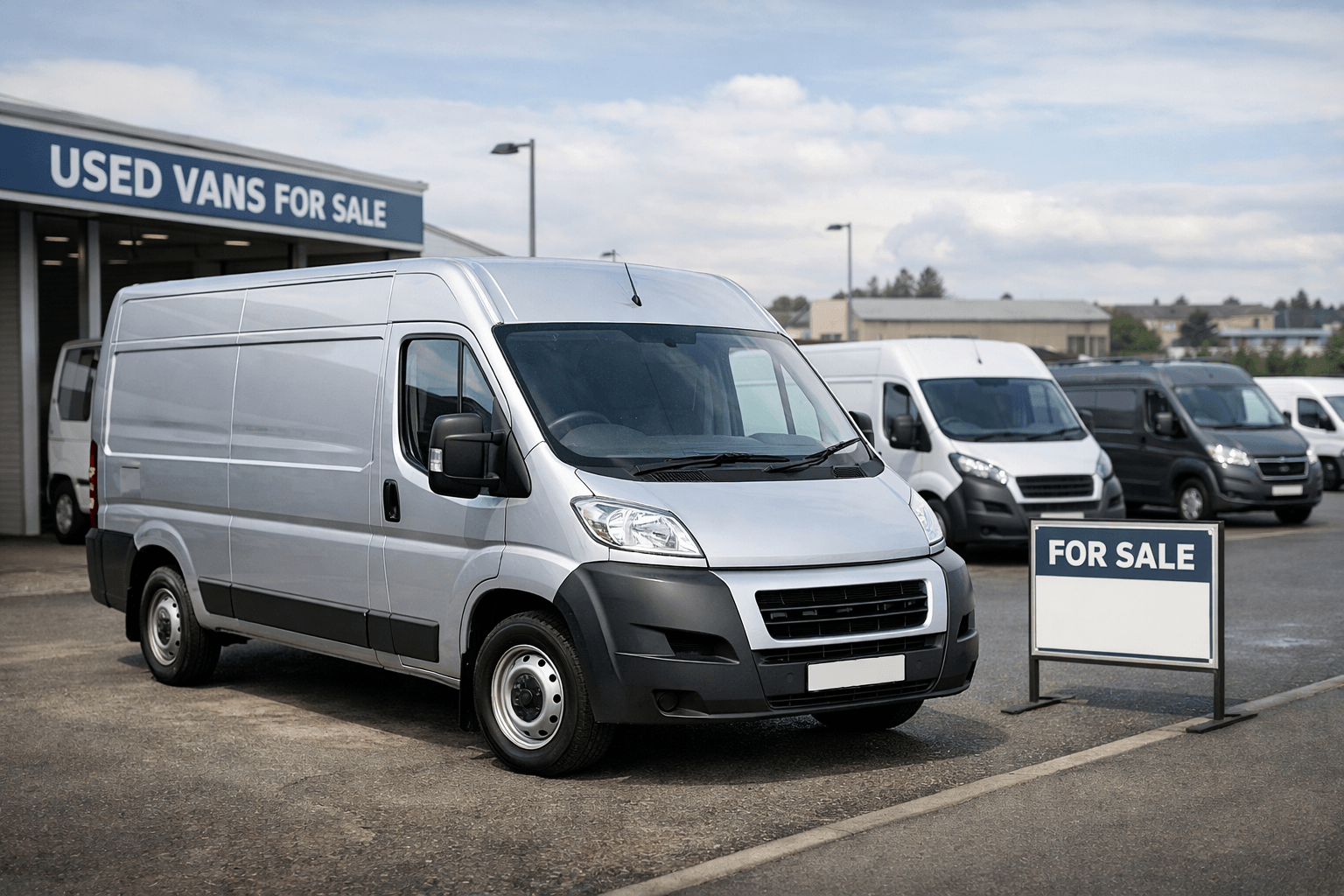
Where to sell a high-mileage van in the UK
You have several realistic routes, each with trade-offs.
Specialist van-buying services are the most straightforward option for sellers who want speed and certainty. Services like we buy any van specialists will assess your vehicle, make an offer, and complete the transaction quickly — often within 24 to 48 hours. The offer may be slightly below private sale value, but you avoid the time, effort, and uncertainty of finding your own buyer.
Private sale through platforms like AutoTrader or Facebook Marketplace can yield a higher price, but it takes longer and requires you to manage viewings, test drives, and negotiations. At high mileage, you should expect buyers to ask detailed questions and potentially request an independent inspection.
Part exchange at a dealer is rarely the strongest financial outcome for a high-mileage van. Dealers apply conservative valuations because they need margin to resell or dispose of the vehicle. If speed is not a priority, private sale or a specialist buyer will usually serve you better.
Auction is worth considering if your van has a known fault or needs significant work. Trade auctions attract buyers who factor in repair costs professionally. You will not maximise value, but you will achieve a clean, fast sale.
How to prepare your van before getting quotes
Preparation does not need to be expensive. It needs to be honest and thorough.
- Gather your paperwork — V5C logbook, service history, MOT certificates, any warranty documentation, and receipts for recent work
- Check the MOT expiry date — a van with several months of MOT remaining is more attractive than one that has just expired
- Note any known faults honestly — buyers will find them during inspection, and declaring them upfront builds trust and avoids renegotiation later
- Take clear photographs in good daylight — front, rear, both sides, interior, load area, dashboard, and any damage
- Remove personal belongings and give the van a thorough clean inside and out
Being transparent about faults is not a weakness. It speeds up the process and reduces the chance of a buyer reducing their offer at the last moment.
What price should you realistically expect?
Exact figures depend on make, model, year, and condition, so any number given here would be misleading. What is reliable is the general shape of the market.
A well-maintained, popular model with full service history at 150,000 miles will typically achieve a meaningful percentage of its lower-mileage equivalent. A neglected van of the same age and mileage, with patchy history and bodywork issues, will achieve considerably less.
For used van buyers in the UK, the sweet spot is a vehicle that is mechanically sound and honest — not necessarily pretty. Buyers understand that working vans get used. What they cannot price in is uncertainty, which is why documentation and transparency have such a disproportionate effect on the final offer.
Warning
Be cautious of any buyer who makes an offer without seeing the van or asking detailed questions, then dramatically reduces it on collection day. This is a known tactic. Reputable buyers will give you a clear, considered offer based on accurate information.
Frequently Asked Questions
Is it worth selling a van with over 150,000 miles?
Yes — there is an active market for high-mileage vans in the UK. The offer will reflect the mileage, but specialist buyers, trade buyers, and private purchasers all regularly buy vans at this level. The key is presenting the van honestly and choosing the right sales channel for your circumstances.
Does a full service history make a big difference at high mileage?
It makes a significant difference. Full service history tells a buyer that the engine and drivetrain have been maintained to schedule, which reduces their risk. At high mileage, this reassurance is worth more — not less — because buyers are more cautious about unknown wear. A documented service history can meaningfully increase your offer compared to an identical van with no records.
Will a van with a known fault sell?
Yes, but the fault needs to be disclosed and will be priced into the offer. Trade buyers and specialist services regularly purchase vans with mechanical issues because they have the expertise and supply chains to address them efficiently. Attempting to conceal a fault is counterproductive — it will almost always be discovered during inspection and will damage trust.
How long does it take to sell a high-mileage van in the UK?
Through a specialist buying service, the process from enquiry to payment typically takes one to three working days. Private sale timescales vary widely — anywhere from a few days to several weeks depending on the platform, the asking price, and current demand for your specific model.
Should I repair the van before selling it?
It depends on the repair. Replacing worn tyres or fixing a minor fault that a buyer would immediately spot is usually worthwhile. Major mechanical repairs — engine work, gearbox replacement — rarely return their cost in a higher sale price. Get a quote for the work and compare it realistically against the likely improvement in your offer before committing.
Does mileage matter more than age?
Neither mileage nor age is more important in isolation — buyers consider both together. A five-year-old van with 200,000 miles suggests very intensive use; a ten-year-old van with the same mileage suggests steady, consistent use. Condition and service history are the factors that most often tip a decision once age and mileage have been assessed.
If you have a high-mileage van and want a straightforward, no-pressure valuation, gathering your paperwork and getting a quote from a reputable specialist is the most reliable first step. You may be pleasantly surprised by what your van is still worth — and at minimum, you will have a clear, honest figure to work from.