
The Road Ahead
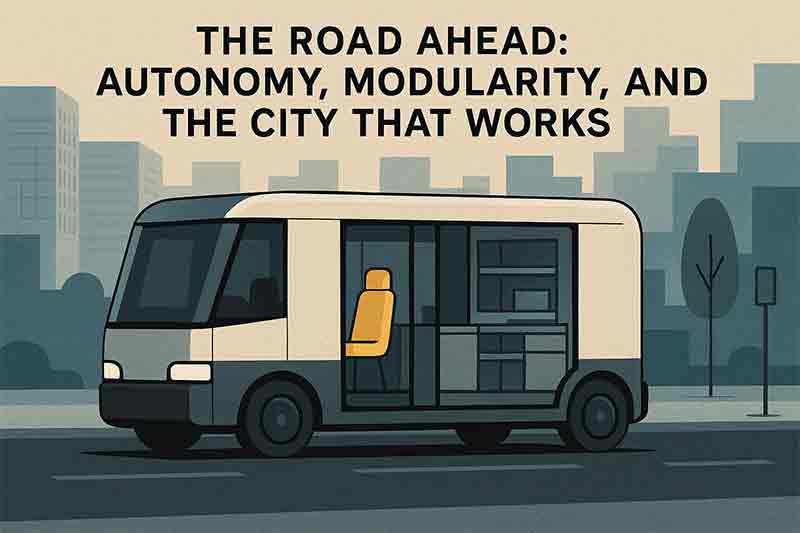
The Road Ahead: Autonomy, Modularity, and the City That Works. Tomorrow’s van cares less about badges and more about choreography. The big ideas are autonomy, modularity, and urban policy conspiring—ideally politely—to move people and parcels with fewer empty miles and less stress.
Quiet Deliveries

Quiet Deliveries: Milk Floats, Lithium, and the Last-Mile Renaissance. Electric vans aren’t new; Britain’s milk floats were humming around suburbs before half the drivers reading this were born.
Homes on Wheels
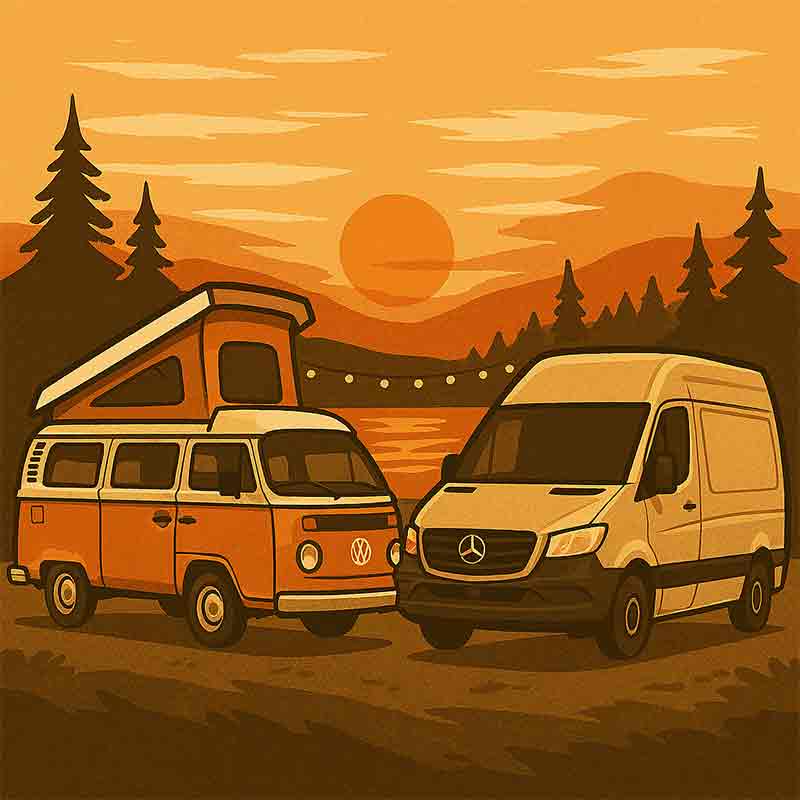
Homes on Wheels: Westfalias, Sprinters, and the Romance (and Reality) of #Vanlife Long before hashtags and drone shots of sunsets, vans became cabins on wheels. Volkswagen’s Type 2, with Westfalia conversions, proved the concept
Asias Compact Workhorses
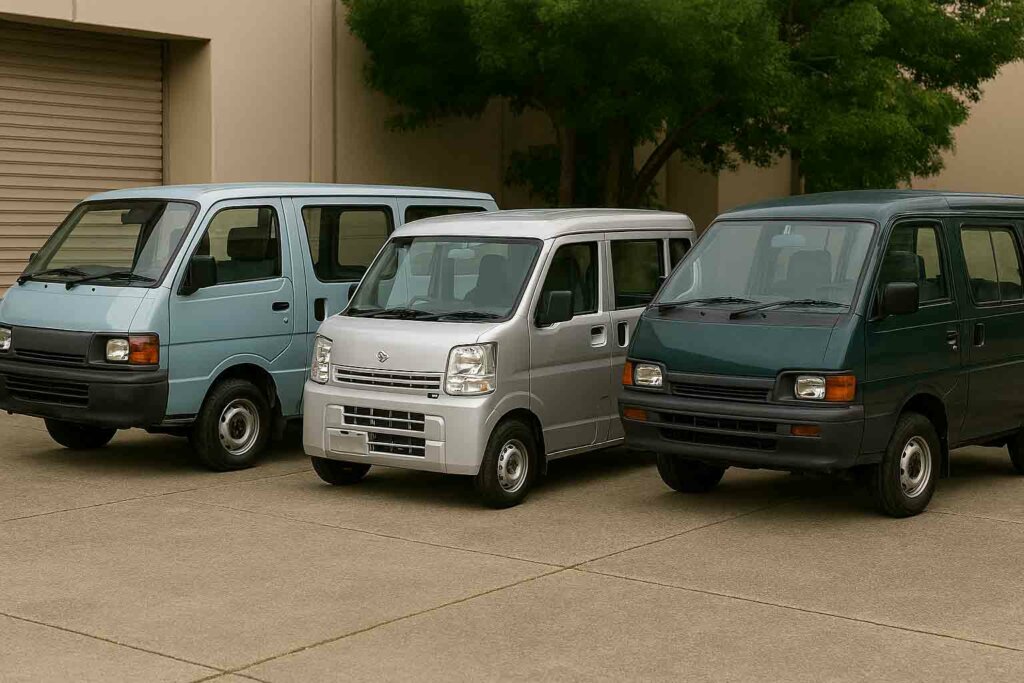
Asias Compact Workhorses: HiAce Heroes, Kei Boxes, and the Global Hustle . Asia perfected a simple idea: make the van smaller, tougher, and absolutely everywhere.
The Minivan Revolution
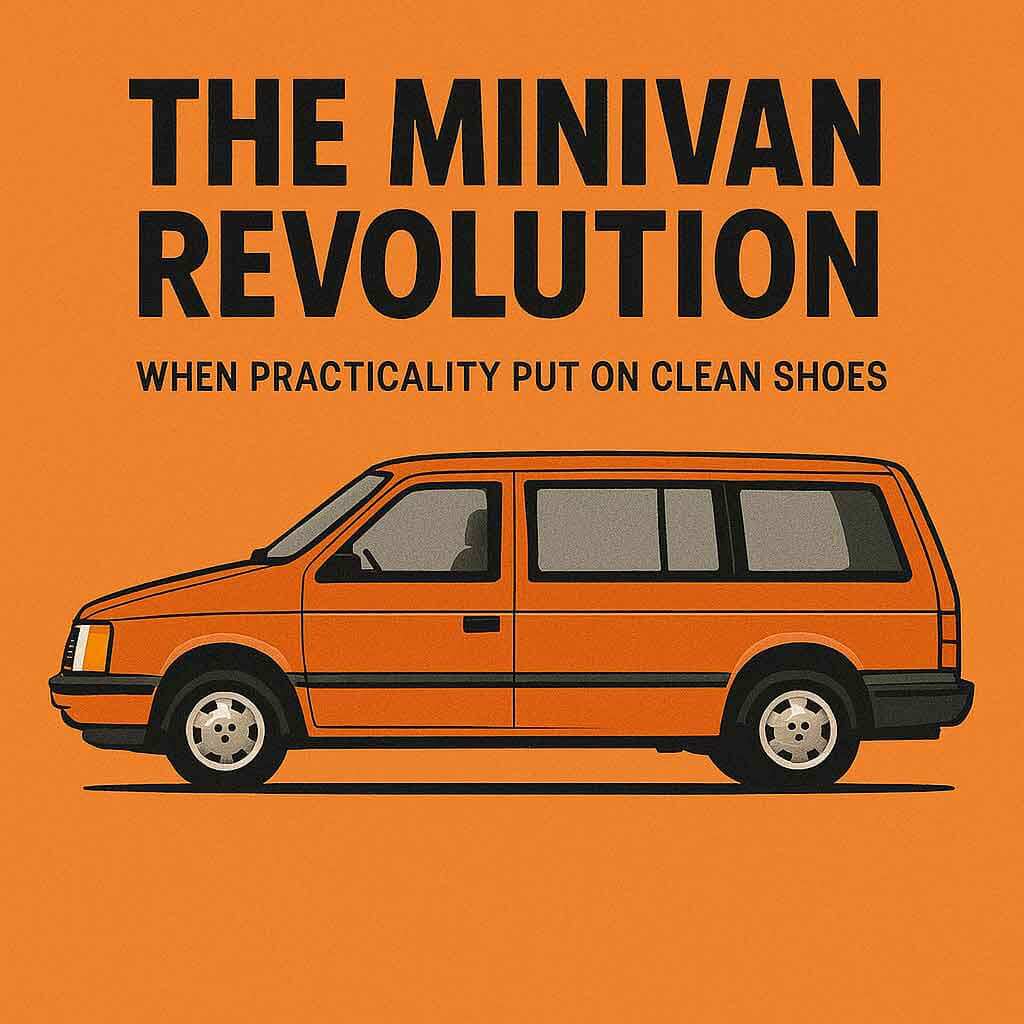
The Minivan Revolution: When Practicality Put on Clean Shoes .In 1984, Chrysler did something outrageously sensible: it built a van that drove like a car and fit in a garage.
Europes Backbone: Transit, Ducato, Sprinter and the White Van Empire
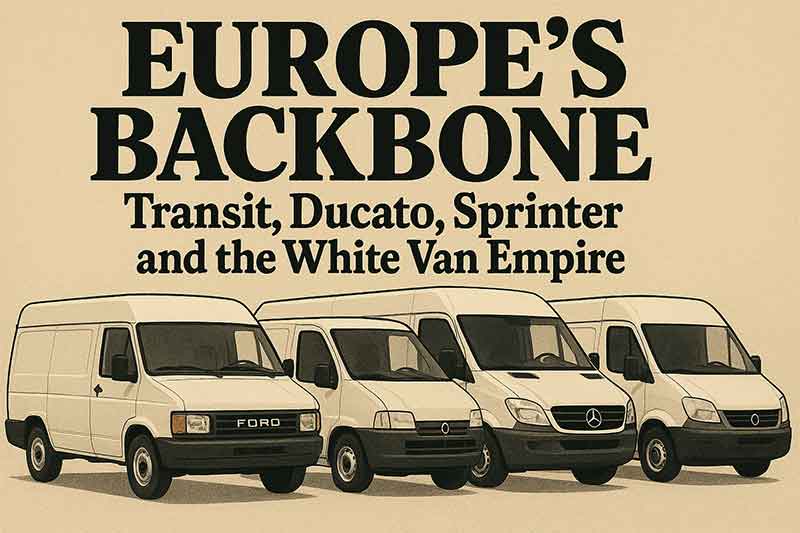
Europes Backbone: Transit, Ducato, Sprinter and the White Van Empire – If America made vans into lounges, Europe kept them honest. From the mid-1960s onward, the continent perfected the panel van as an all-purpose tool.
The American Rolling Room: 1960s Utility to 1970s Shag
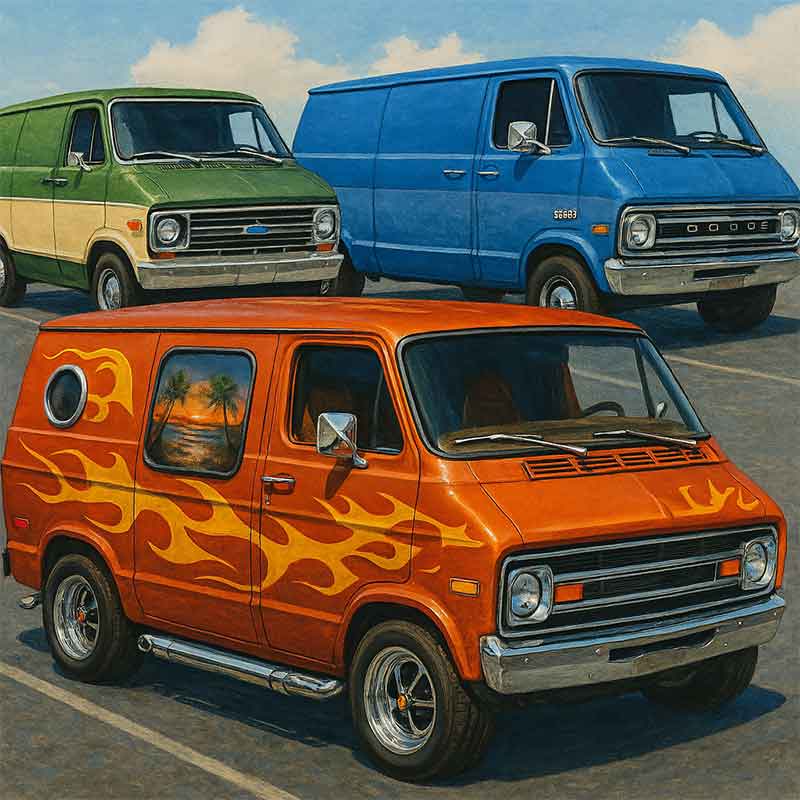
The American Rolling Room: 1960s Utility to 1970s Shag. America looked at the efficient European box and thought, “Bigger, please.” The early 1960s birthed the first generation of forward-control vans
Postwar Pragmatism: Corrugations, Forward Control, and the Van as Icon
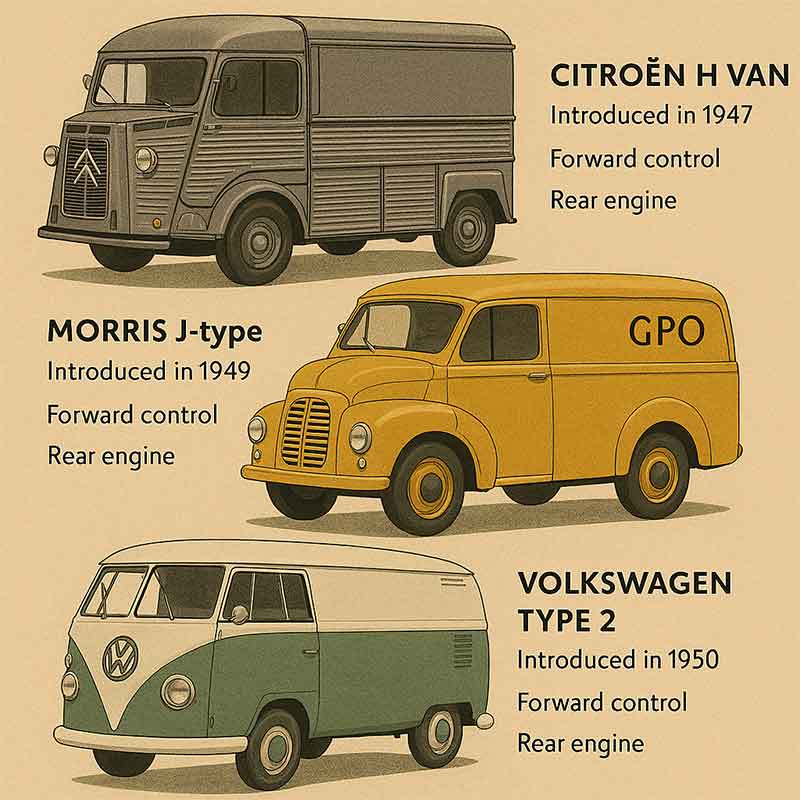
Postwar Pragmatism: Corrugations, Forward Control, and the Van as Icon – Europe in 1947 looked at its ruins and concluded that moving things, lots of things, very quickly, would be useful.
Engines Invade: From Brass Era Dreams to the Model TT
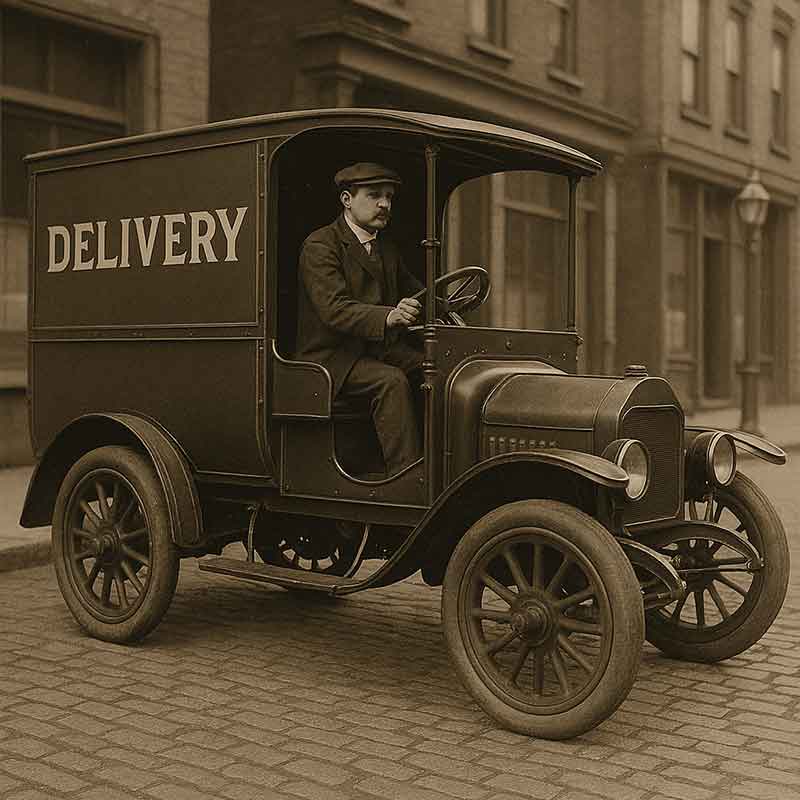
Engines Invade: From Brass Era Dreams to the Model TT At the turn of the 20th century, inventors looked at horses, then at engines, and concluded oats were no way to run an empire. Early motorized delivery wagons were brave, wobbly contraptions—Daimler, De Dion-Bouton, Renault and others producing little boxes with big ideas.
A Word Is Born: From Caravan to Van
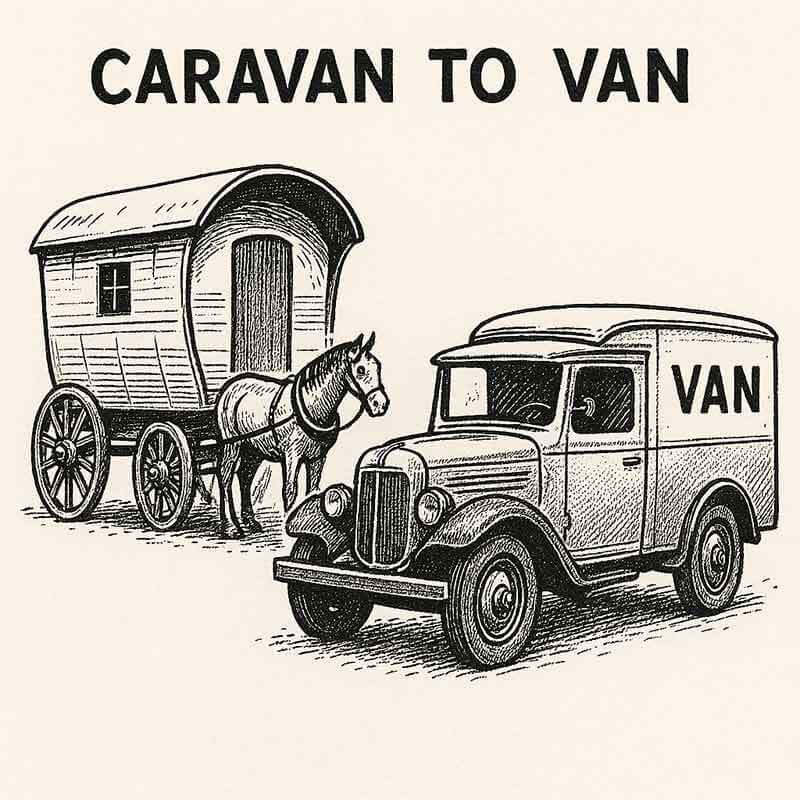
Caravan to Van -“Van” is what happens when “caravan” trims the syllables, rolls up its sleeves, and gets a job. In 19th-century Britain, the term slid off the tongues of merchants and into the lexicon to describe covered wagons built for work not whimsy.